
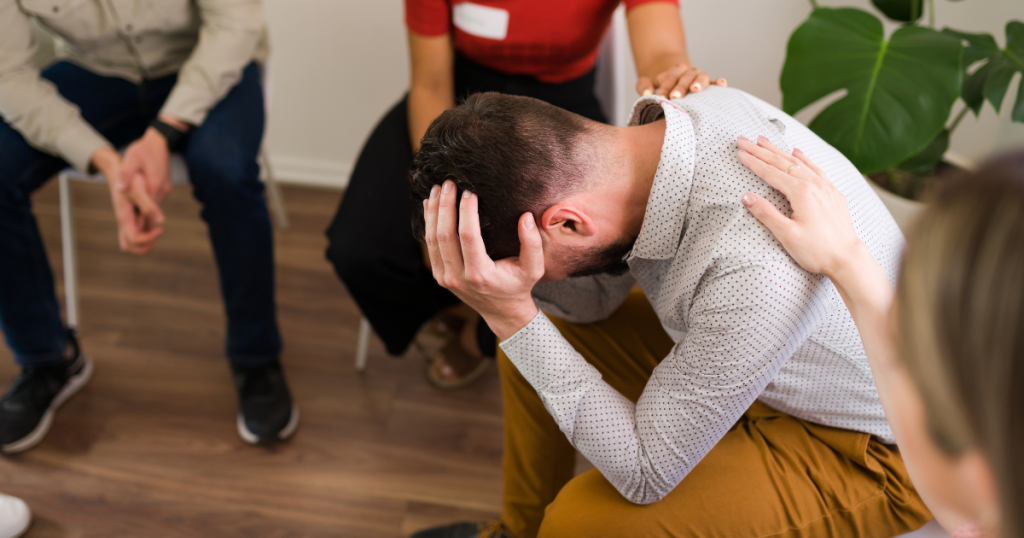
Addiction may be part of someone’s story, but it doesn’t have to be the end of it.
At Balanced Life Ministry, we’ve witnessed powerful transformation in the lives of men and women who’ve overcome addiction and walked forward into renewed purpose, stronger families, and deeper faith. Through practical support, transitional housing, jobs after prison or recovery, and spiritual discipleship, we walk alongside people as they rebuild their lives.
This guide explores the real-life lessons learned by those who’ve overcome addiction and the wisdom they now carry, lessons that aren’t just for people in recovery, but for all of us seeking hope, healing, and direction.
1. Change Is Possible, but It’s Not Instant
Many of the individuals we serve came to us after trying and failing, more than once. The first major lesson they share is this: change takes time and grace.
Addiction alters the brain, behaviors, and belief systems. Breaking free from it requires more than willpower; it requires long-term support, consistent accountability, and spiritual renewal. As one participant put it:
“I thought getting sober would fix everything. But real change came when I started learning how to live differently, how to think, work, pray, and love again.”
Key Takeaway
Progress is not perfection. Real recovery is built day by day, with grace for setbacks and celebration of small wins.
2. Community is the Cornerstone of Recovery
Isolation fuels addiction; connection heals it.
Every person we’ve walked with has said some version of the same thing: they couldn’t do it alone. Recovery programs might begin the process, but staying clean, finding a job, and rebuilding relationships require a tribe, people who believe in you, challenge you, and walk beside you.
At Balanced Life Ministry, this is why we provide more than transitional housing. We cultivate brotherhood and sisterhood through Bible studies, community meals, work programs, and prayer.
“I needed a new circle. The people I lived and worked with helped me believe I could start over. They gave me purpose when I couldn’t find it myself.”
Scripture Reflection
“Carry each other’s burdens, and in this way you will fulfill the law of Christ.”, Galatians 6:2
3. Faith Isn’t a Quick Fix, But It Is a Foundation
Some people come to us with deep spiritual roots. Others are skeptical or scarred by religion. Yet over time, most discover that faith isn’t about rules, it’s about relationship.
A growing relationship with God becomes a source of stability. It offers identity beyond “addict” or “felon.” It reminds people they’re loved, forgiven, and still called to something greater.
“I used to think God gave up on me. But through Balanced Life, I learned He was waiting for me to come home all along.”
Faith-based recovery isn’t about preaching; it’s about walking with people, helping them reframe their lives through the lens of grace, purpose, and hope.
4. Work Is Healing When It Comes With Dignity
For someone leaving recovery or prison, employment is more than a paycheck; it’s a declaration: I have value.
Yet, stigma makes it difficult. Many are judged by their past or denied second chances.
We believe in jobs after prison and second-chance employment, not just because it’s ethical, but because it’s effective. Employment builds structure, confidence, and community.
“I remember the first time I put on my work boots again. I felt like a man again. Like I was building something real, not just in the world, but inside of me.”
Faith & Work Connection
Work is not just toil; it’s a way to serve, create, and reflect God’s image. We aim to restore that dignity through partnerships with local employers and job training initiatives.
5. Families Need Healing Too
Addiction doesn’t just affect the individual; it wounds entire families.
One of the most moving parts of the recovery journey is watching families reunite. But healing takes more than an apology; it takes consistency, humility, and time.
We often hear from parents, spouses, and children who were unsure whether to trust again. But over months, as they see steady progress, walls begin to come down.
“My daughter didn’t call me Dad for two years. Now she asks me to pray with her before bed.”
Advice for Families
Support a loved one in recovery by setting healthy boundaries, attending support groups, and believing in the possibility of redemption. You’re part of the healing story.
6. Relapse Doesn’t Erase Redemption
The hard truth? Some people relapse. It’s painful. But it’s not failure.
One of the greatest lessons we’ve learned from our community is the importance of viewing relapse not as the end, but as a moment for reflection and reconnection.
“I relapsed after 10 months. I was ashamed. But the ministry didn’t turn its back on me. They helped me figure out what triggered me and how to walk forward stronger.”
By addressing underlying trauma, spiritual emptiness, or unhealthy environments, we help people not just get back on track but build better guardrails for the future.
7. Your Story Can Help Someone Else Heal
Perhaps the most powerful life lesson from those who’ve overcome addiction is this: Your past doesn’t disqualify you, it qualifies you to lead others.
Many graduates of our program now serve as mentors, speakers, or volunteers. They remind others that transformation is possible.
“If my story can help just one person keep going, then it was worth it. I don’t hide my past anymore, I use it to build bridges.”
Ministry Insight
Balanced Life Ministry is built on these stories. Our tagline, Many Stories. One Mission is more than words. We believe that every testimony adds to the tapestry of God’s redemptive work.
Real Stories, Real Impact
Balanced Life Ministry doesn’t just talk about change; we measure it. Here are a few impact milestones from our housing and reentry programs:
| Metric | Results |
| Meals served this year | 7,200+ |
| Jobs filled through partnerships | 45+ |
| Transitional housing placements | 60+ men |
| Discipleship & Bible study hours | 300+ hrs |
| Family reunifications | 25+ |
These are more than numbers; they represent stories of people who were lost and are now found.
What the Church Can Learn From the Recovery Community
Churches often ask us: How can we support people in recovery?
Here are three key takeaways:
1. Presence Over Perfection
You don’t need all the answers, just show up. Be willing to walk with people through the messy middle.
2. Build Partnerships, Not Just Programs
Recovery is ongoing. Consider partnering with ministries like ours to provide housing, jobs, or mentorship rather than reinventing the wheel.
3. Teach Grace in Action
Recovery teaches us the gospel isn’t just about behavior change, it’s about identity transformation. Let your church be a place where that truth is lived out.
Redemption Is a Community Effort
At Balanced Life Ministry, we know that overcoming addiction is not the finish line; it’s the starting point for a balanced, purpose-filled life. Through transitional housing, job support, faith-based discipleship, and community encouragement, we help people build that life brick by brick.
Whether you’re a church looking to partner, a donor seeking to support meaningful transformation, or a family member walking alongside someone in recovery, your role matters.
Together, we restore lives. Strengthen families. Unite the body of Christ.

Join the Mission of Transformation
Want to be part of real-life restoration? Whether you:
- Want to volunteer with a recovery ministry
- Are looking to hire people in recovery
- Feel called to donate to a Christian nonprofit in Tennessee
- Or simply need hope after addiction or prison,
We invite you to connect with us today. Visit https://blog.balancedlifeministry.org to learn more, partner with our mission, or reach out for support.
Balanced Life Ministry
Many Stories. One Mission.